Mark: The Calligraphic Script That Commands Attention
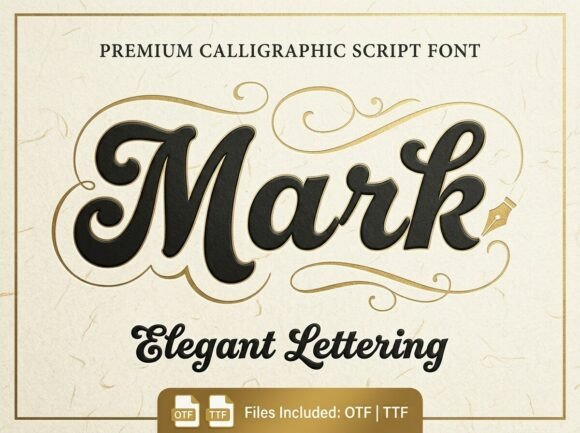
In a world saturated with digital noise, finding a typeface that carries genuine weight and personality is like striking gold. Mark is exactly that—a premium calligraphic script font designed to make a statement. It’s not just another pretty script; it’s a tool built for impact. Defined by its heavy visual weight and rhythmic, sweeping loops, Mark mimics the confident, fluid stroke of a fountain pen. It successfully bridges the gap between vintage sign-painting and modern editorial elegance, offering designers and creators a high-impact personal touch that jumps off the page with unmistakable confidence and flair.
Beyond the Basics: Understanding Mark's Visual Soul
When you first look at Mark, you notice its presence. This isn't a delicate, whispering typeface; it’s a bold, conversational one. The visual weight is substantial, giving each letterform a grounded, authoritative feel. The sweeping loops and rhythmic connections between characters create a natural flow, mimicking the authentic motion of hand-lettering. This gives it an organic, human quality that purely digital fonts often lack. Its style is a sophisticated hybrid—it has the nostalgic charm of hand-painted signage but is refined enough for the clean lines of contemporary editorial design. This duality makes it incredibly versatile. It feels personal and crafted, yet polished and professional.
Where Mark Shines: Practical Applications for Maximum Impact
The true test of any creative font is how it performs in real-world projects. Mark excels where you need to inject personality, luxury, and a human touch. Its strengths are most apparent in specific applications:
- Signature-Style Logos & Brand Identity: For brands that want to feel approachable yet premium, Mark is a superb choice for a primary logo or a secondary brand mark. It works beautifully for boutique shops, personal consultants, artisan creators, and lifestyle brands. It instantly communicates craftsmanship and attention to detail, forming a memorable cornerstone of a brand identity.
- Luxury Product Mastheads & Packaging: Imagine Mark on the packaging of a small-batch gin, a gourmet chocolate bar, or a high-end skincare line. Its weight and elegance convey quality and care, elevating the perceived value of the product. In packaging design, it can serve as the hero element that catches a consumer’s eye on a crowded shelf.
- Restaurant Menus & Event Headers: A menu is more than a list; it’s an experience. Mark sets a tone for upscale bistros, cozy cafes, or exclusive catering. Similarly, for wedding invitations, gala programs, or conference headers, it adds a layer of sophistication and importance that standard fonts cannot match.
- Digital & Social Media Graphics: In the fast-scroll world of social media, stopping power is everything. Using Mark for key headlines on Instagram posts, Pinterest graphics, or website banners creates a strong focal point. It’s particularly effective for quotes, sale announcements, or feature highlights where you want the text itself to be a visual asset.
The Strategic Choice: How a Font Influences Perception
Choosing a typeface like Mark is a strategic design decision that goes far beyond aesthetics. The right display font actively shapes how your audience perceives your message and your brand. Mark’s bold, confident strokes influence several key areas:
Visual Hierarchy & Readability: As a display or headline font, Mark is unparalleled for creating a clear hierarchy. Its distinct personality instantly draws the eye, making it perfect for titles, pull quotes, and calls to action. However, its intricate loops and heavy weight make it less suitable for long paragraphs of body copy. For optimal readability, pair it with a clean, neutral serif font or a simple sans serif font for supporting text. This contrast allows Mark to command attention without sacrificing the clarity of your overall message.
Brand Perception & Recognition: Fonts carry psychological weight. Mark’s handwritten style feels personal, authentic, and confident. It can make a brand feel more human and less corporate, fostering a stronger emotional connection with the audience. Consistent use of Mark across your logo design, website, and marketing materials builds a cohesive visual language that enhances brand recognition and professionalism.
A Practical Guide to Using Mark Effectively
Integrating a powerful typeface like Mark into your workflow requires thoughtful execution. Here’s how to get the most out of this premium font:
- Evaluate the Project Fit: Ask yourself: Does this project need to feel personal, luxurious, or bold? If you’re designing a legal document or a technical manual, Mark is the wrong tool. But for a bakery’s website, a photographer’s portfolio, or a fashion brand’s lookbook, it’s often the perfect fit.
- Master the Font Pairing: This is crucial. Let Mark be the star. Pair it with a font that has a more subdued personality. A classic serif like Garamond or a geometric sans serif like Montserrat can provide a stable, readable foundation. The goal is harmony, not competition.
- Test for Readability at Scale: Always preview Mark in the context it will be used. View it on a mobile device screen and in print. Check the legibility of individual letters, especially in shorter words or at smaller sizes. Ensure the elegant loops don’t merge or become unclear.
- Review Included Styles & Licensing: A professional commercial font like Mark often comes with multiple stylistic alternates, ligatures, or swashes. Explore these OpenType features to add custom flair. Crucially, verify the licensing. Ensure it covers your intended use, whether for a single client project, unlimited commercial use, or web embedding via @font-face.
Ultimately, Mark is more than just a script font; it’s a versatile design asset. It provides the tools to create work that feels both timeless and contemporary, personal and professional. By understanding its character and applying it strategically, you can harness its bold energy to make your projects—and your brand—truly unforgettable. It’s a valuable addition to any designer’s or creator’s typographic toolkit, ready to add that essential high-impact touch when the project calls for it.