Autograph: A Script Font with Authentic Character
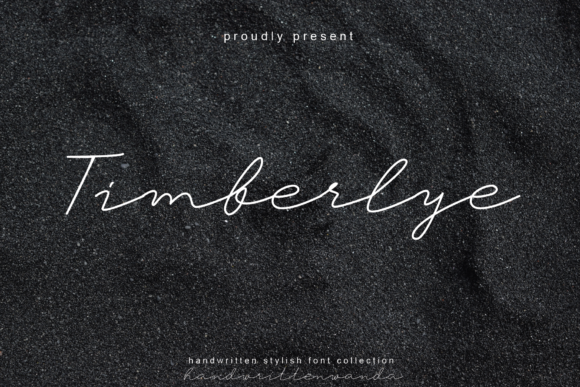
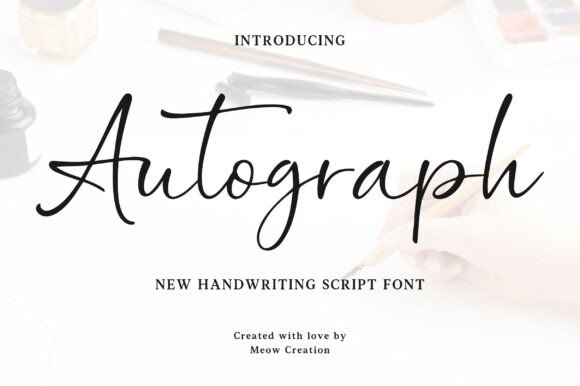
There is a specific kind of design challenge that calls for something more personal than a standard sans serif font. When a project needs a human touch—something that feels handwritten, intimate, and stylish—finding the right typeface becomes crucial. Many script fonts try to capture this feeling but end up looking either too formal or too casual. Autograph occupies a thoughtful middle ground, offering an elegant handwritten script with smooth, natural strokes designed to bring a genuine, personal quality to creative work.
This font isn't about mimicking messy handwriting. Its strokes flow with a polished consistency that suggests a confident hand, perhaps someone signing a letter or a designer sketching out an idea. The overall appeal lies in this balance: it feels authentic and approachable, yet carries a modern, classy sophistication. This makes it a versatile asset for designers, entrepreneurs, and creators who need to communicate warmth and personality without sacrificing professionalism.
Where Autograph Truly Shines
Understanding a font’s strengths helps you use it effectively. Autograph’s personality makes it particularly well-suited for projects where emotion and connection are key. Think of applications where you want the viewer to feel a direct, human link to the message.
- Branding and Logo Design: For boutique businesses, personal brands, or creative studios, Autograph can form the core of a brand identity. It works beautifully for a photographer’s logo, a bakery’s wordmark, or a consultant’s personal brand, instantly setting a tone of approachability and artistry.
- Event Stationery: Wedding invitations, save-the-dates, and event programs benefit immensely from its elegant flow. It conveys celebration and care, making printed materials feel special and considered.
- Editorial and Packaging Design: In magazine layouts or product packaging, it can be used for pull quotes, product names, or special labels. It draws the eye and adds a layer of sophistication to editorial design and packaging design, making a product on a shelf or a page in a publication feel more premium.
- Digital and Social Media: For social media graphics, Instagram quotes, or website headers, Autograph adds personality that stands out in a feed dominated by geometric typefaces. It helps content creators and bloggers establish a recognizable visual voice.
The key is context. Using Autograph for an entire body of text on a website would hinder readability. Its strength is as a display font—for headlines, short phrases, logos, and accents where its detailed letterforms can be appreciated at larger sizes.
Making Smart Design Choices with a Script Typeface
Choosing a font like Autograph involves more than just liking how it looks. You need to consider how it will function within your specific project. Here’s some practical guidance for integrating it into your work.
Pairing for Visual Harmony
A script font rarely works alone. The most successful designs use font pairing to create contrast and hierarchy. Autograph, with its flowing lines, pairs exceptionally well with clean, simple typefaces. Consider combining it with a neutral sans serif font for body text or a classic serif font for a more traditional feel. The goal is to let Autograph be the star of the headline or key phrase while the supporting typeface ensures the rest of the content remains clear and easy to read. This pairing is fundamental to creating a professional and balanced visual hierarchy.
Evaluating Readability and Hierarchy
Always test your chosen font in context. Set your headline in Autograph and your body copy in its paired typeface. View it at the intended size—on a business card, on a mobile screen, or from a distance on a poster. The smooth strokes of Autograph maintain good readability at larger sizes, but its true purpose is to create a focal point. Use it to guide the viewer’s eye to the most important message, whether that’s a brand name, a call-to-action, or an inspirational quote.
Understanding the Font’s Versatility
A quality premium font often comes with multiple styles. Check if the Autograph font family includes alternate characters, ligatures, or swashes. These features are not just decorative; they are practical design assets. Alternate characters can help you customize letter connections for a more natural flow, while swashes can add a flourish to initial letters in a logo or invitation. This flexibility allows you to fine-tune the font’s personality for each application, ensuring consistency across different parts of a brand identity or a multi-page publication.
Commercial Use and Licensing
For entrepreneurs and small business owners, it’s vital to confirm the font’s license. Most commercial fonts require a license for use in logos, merchandise, and client projects. Purchasing from a reputable foundry or marketplace ensures you have the legal right to use the font across all your design assets, from your website to your printed materials. This step protects your business and respects the work of the type designer.
A Tool for Connection
Ultimately, Autograph is more than just a collection of letters. It’s a tool for storytelling and connection. In a digital landscape that can often feel impersonal, a thoughtfully chosen script font can inject warmth and authenticity. It speaks to a desire for craftsmanship and personal expression, whether you’re a designer crafting a brand identity, a marketer creating engaging social media graphics, or a crafter designing a heartfelt invitation.
Its modern and classy aesthetic doesn’t chase trends; it offers a timeless quality that can help your projects feel both current and enduring. By using it strategically—as a accent, a headline, a signature—you can leverage its strengths to make your designs feel more human, more stylish, and more memorable. It’s a valuable addition to any designer’s toolkit for projects that aim to make a genuine impression.