Alvia: Crafting Elegance with a Modern Script Font
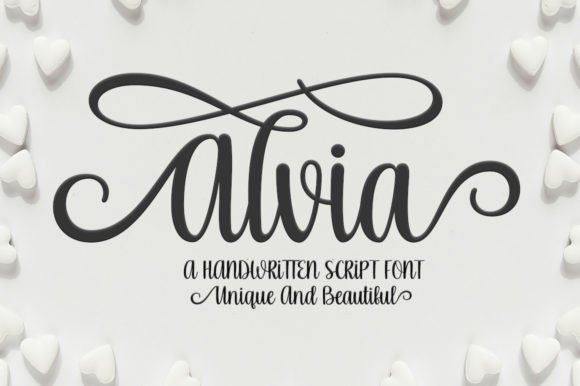
There's a moment in any design project when the typeface either disappears into the background or steps forward and transforms the entire composition. Alvia belongs firmly in the second category. This clean, modern script font carries a quiet confidence—its letterforms flow with a natural rhythm that feels both contemporary and timeless. If you've been searching for a typeface that bridges the gap between handwritten warmth and polished professionalism, Alvia deserves a closer look.
The Visual Character Behind Alvia
What makes Alvia stand apart from the hundreds of script fonts available today? It starts with intention. Every stroke in this typeface feels deliberate, carefully crafted with a touch of elegance that avoids the pitfalls of over-stylization. Where many script fonts lean heavily into ornamental flourishes or exaggerated swashes, Alvia takes a more measured approach. The letter connections feel organic, the baseline has a gentle consistency, and the overall texture reads as refined rather than decorative.
The personality of Alvia sits in an interesting sweet spot. It carries the warmth and human touch of a handwritten font but maintains the structural clarity you'd expect from a professional display font. The x-height is generous enough to keep lowercase letters legible at smaller sizes, while the ascenders and descenders add just enough movement to give headlines visual energy. This balance makes it versatile—you won't find yourself fighting the font to make it work in different contexts.
From a modern typography perspective, Alvia reflects current design sensibilities. Clean lines, thoughtful spacing, and a lack of unnecessary ornamentation define its aesthetic. It doesn't try to mimic a specific era or cultural reference. Instead, it offers a fresh take on the script font category that feels relevant right now.
Where Alvia Truly Shines
Understanding where a font performs best saves time and prevents the frustration of forcing a typeface into roles it wasn't designed to fill. Alvia's strengths reveal themselves across a surprisingly wide range of applications.
Branding and Logo Design
For logo design, Alvia works exceptionally well for brands that want to communicate approachability without sacrificing sophistication. Think boutique hotels, artisan bakeries, lifestyle brands, wedding planners, wellness studios, and independent fashion labels. The font's elegant script qualities suggest personal attention and craftsmanship—qualities that resonate with audiences who value authenticity over mass production.
When building a brand identity around Alvia, consider pairing it with a clean sans serif font for body text. The contrast between the flowing script and structured sans serif creates visual interest while maintaining readability across different touchpoints. A well-chosen serif font can also complement Alvia beautifully, especially for brands with a more traditional or editorial positioning.
Editorial and Publishing Projects
Magazine headers, book chapter titles, blog post graphics, and editorial design elements benefit from Alvia's ability to command attention without overwhelming surrounding content. It brings personality to mastheads and pull quotes, adding a human element that draws readers into the story. Publishers working on lifestyle, food, travel, or fashion content will find it particularly useful for creating visual hierarchy between headlines and body copy.
Digital and Social Media
On screens, Alvia maintains its clarity and charm. For social media graphics, it's a strong choice for Instagram stories, Pinterest pins, YouTube thumbnails, and Facebook headers where you need text that stops the scroll. The font's clean construction means it renders well across different screen resolutions, which matters more than many people realize when choosing a creative font for digital platforms.
In web design, Alvia works best in limited, strategic doses—hero section headlines, call-to-action labels, or accent text within a larger typographic system. Using it sparingly prevents the readability challenges that script fonts can present at length while maximizing its visual impact where it counts.
Print, Packaging, and Physical Products
Packaging design is another area where Alvia excels. Product labels, gift tags, shopping bags, and box designs benefit from the font's ability to suggest quality and care. For print materials like business cards, stationery, thank-you cards, and event invitations, it delivers that handwritten elegance people respond to emotionally. Wedding invitations, in particular, are a natural fit—the font's refined script qualities evoke romance and celebration without looking generic.
How Alvia Influences Design Outcomes
A font choice is never purely aesthetic. It shapes how people perceive your message, your brand, and your credibility. Here's how Alvia can influence specific design outcomes.
Readability and Visual Hierarchy: Because Alvia maintains consistent letter spacing and a clear baseline rhythm, it supports effective visual hierarchy. Pair it with a straightforward body font, and your audience naturally knows where to look first. The script style signals importance and draws the eye, making it effective for headlines, subheadings, and accent text.
Brand Perception: Fonts carry emotional weight. Alvia communicates elegance, warmth, and attention to detail. Brands using this typeface signal that they care about craft and personal connection. This perception matters for businesses competing on experience and quality rather than price alone.
Professionalism and Consistency: A premium font like Alvia, with its refined construction and consistent quality, helps maintain a professional appearance across all materials. Unlike free script fonts that often contain inconsistencies, missing characters, or poor kerning, a carefully crafted commercial font ensures your brand looks polished everywhere it appears.
Audience Engagement: People respond to design that feels intentional. When typography matches the tone and personality of your content, audiences engage more deeply. Alvia's approachable elegance creates an emotional bridge between your brand and your audience, encouraging them to linger, read, and connect.
Practical Guidance for Working with Alvia
Before committing to any font for a project, a few practical steps can save headaches down the road.
Evaluate project fit first. Not every project needs a script font. Alvia works best when you want to inject personality, warmth, or elegance into a design. For technical documentation, dense body copy, or ultra-minimalist aesthetics, a different approach might serve you better.
Test font pairings early. Download Alvia and spend time pairing it with different serif and sans serif typefaces before settling on a combination. Try it alongside geometric sans serifs for a modern contrast, or pair it with a transitional serif for something more classic. The font pairing you choose will significantly affect the overall tone of your design.
Review the included styles and character set. A quality typeface often includes alternates, ligatures, and stylistic variations that expand your creative options. Explore what Alvia offers before starting your layout—you might discover a swash or alternate letterform that perfectly suits your project.
Check readability at your intended size. Print a test page or preview on multiple screens at the size you plan to use. Script fonts can become difficult to read below certain thresholds, so verify that Alvia remains clear in your specific context.
Understand the licensing. If you're using Alvia for commercial work—client projects, products for sale, or business materials—confirm the license covers your intended use. Investing in proper licensing protects both you and your clients, and it supports the designers who create these valuable design assets.
Alvia offers a thoughtful combination of elegance and usability that's increasingly rare in the script font category. Whether you're designing a wedding invitation suite, building a lifestyle brand from scratch, or refreshing social media content, this typeface brings a refined human touch that elevates the work. The key is using it with intention—understanding its strengths, pairing it wisely, and deploying it where its character can make the greatest impact.