Austin Light: A Retro Script Font for Bold Branding
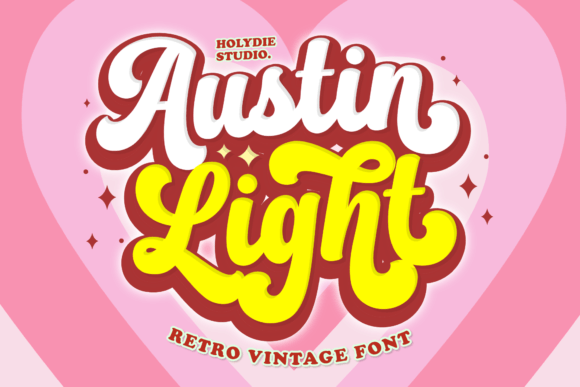
Finding a typeface that captures a specific feeling without feeling dated is a constant challenge. You want personality, but you also need clarity and versatility. Austin Light steps into that space as a bold, retro-styled script font with a distinctly cool flow. It’s not trying to mimic a forgotten era with slavish accuracy; instead, it takes the confident, flowing spirit of mid-century script lettering and refines it for contemporary use. The result is a font that feels both nostalgic and fresh, offering a unique voice for projects that need to stand out.
Visually, Austin Light is characterized by its connected, flowing letters and well-balanced characters. The strokes have a consistent weight that promotes readability, even at smaller sizes, which is a common pitfall for many script fonts. Its "cool flow" comes from the natural, slightly casual connections between letters, giving it an organic, hand-lettered quality rather than a rigid, mechanical one. This balance is crucial—it allows the font to carry personality without sacrificing legibility, making it a practical tool rather than just a decorative one.
Where Austin Light Truly Shines
The real test of any creative font is its application. Austin Light excels as a display font, perfect for headlines, logos, and short bursts of text where you want to inject immediate character. Think of a boutique café logo, the title of a vintage-inspired wedding invitation, or the header on a craft brewery’s menu. Its retro vibe lends itself naturally to projects in the food and beverage, artisanal goods, lifestyle, and entertainment spaces.
For brand identity, using Austin Light strategically can define a brand’s entire personality. It tells a story of craftsmanship, approachability, and a certain cool confidence. Paired with a clean sans serif font for body text, it creates a dynamic and professional hierarchy. Imagine a social media post for a new podcast: the title in Austin Light grabs attention with style, while the episode details in a simple sans serif are easy to read. This combination is effective in web design, social media graphics, and packaging design, where you need to make an instant impression.
Practical Guidance for Using This Typeface
Choosing the right font is only half the battle; using it well is the other. Here’s how to approach Austin Light for your projects:
- Evaluate Project Fit: Ask yourself if the project’s tone aligns with the font’s personality. Austin Light suggests creativity, warmth, and a touch of nostalgia. It’s ideal for a bakery, a vintage clothing line, or a creative agency. It might feel out of place for a corporate law firm or a medical technology startup.
- Master Font Pairing: This is where the magic happens. Austin Light pairs beautifully with neutral, geometric sans serif fonts like Montserrat or Open Sans. The contrast between the expressive script and the clean, modern typeface creates visual interest and ensures readability. For a more classic feel, a sturdy serif font like Lora can work, but ensure the serif doesn’t compete with the script’s flourishes.
- Utilize the Full Glyph Set: Because Austin Light is PUA encoded, you have access to all its glyphs and swashes. This is a significant advantage. In design software, you can explore alternate characters to customize words, adding a unique flair to logos or titles. Don’t just type and go; explore the OpenType features to make the font truly your own.
- Consider Readability: While balanced, it’s still a script font. Avoid using it for long paragraphs of text. Its strength is in headlines, pull quotes, and single lines. Test it at the intended size on different screens and in print to ensure the connections between letters remain clear.
For commercial use, always verify the licensing. A premium font like Austin Light typically comes with a license that covers a wide range of uses, from digital ads to physical merchandise, but it’s your responsibility to check the terms for your specific project. Investing in a properly licensed commercial font protects you legally and supports the designers who create these valuable design assets.
Beyond the Obvious: Unconventional Uses
While perfect for logos and menus, think creatively about where else a handwritten font like Austin Light can add value. Use it for chapter titles in an e-book to set a distinct tone. Create custom thank-you cards for your e-commerce customers, adding a personal touch that reinforces your brand. In editorial design, it can highlight key quotes in a magazine layout, drawing the reader’s eye. For bloggers and content creators, it can stylize graphics for Pinterest or Instagram, making your content more recognizable in a crowded feed.
The key is to use Austin Light with intention. It’s a tool for emphasis and emotion, not for bulk text. When applied thoughtfully, it elevates a design from generic to memorable, helping to build a stronger, more recognizable brand identity. It’s a testament to how the right typeface doesn’t just display words—it communicates a feeling, a story, and an experience. In the landscape of modern typography, finding a font that does this with both style and substance is a genuine asset.