Curly Candy: Adding Playful Charm to Your Creative Projects
Finding the right typeface can feel like searching for a missing puzzle piece. You need something that conveys a specific mood, fits your brand identity, and works across various applications. Curly Candy is a premium font designed to fill that gap when your project calls for a dose of sweetness and personality. It’s a handwritten font that feels organic and energetic, moving away from the rigid structure of standard sans serif font options.
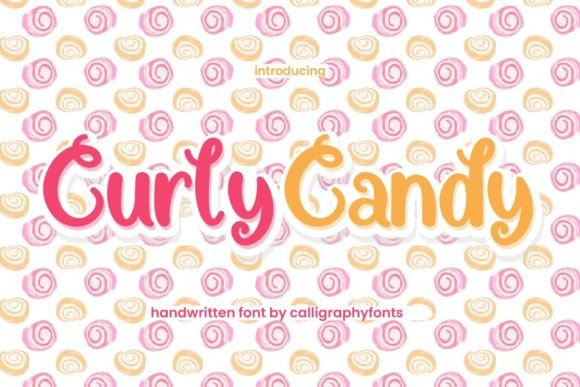
What makes this display font stand out is its distinctive terminal strokes. Each letter ends with a unique curl, giving the text a bouncing, lively rhythm. Unlike many script font styles that rely on heavy ligatures and complex connections, Curly Candy maintains a clear separation between characters. This design choice ensures that the aesthetic appeal of the handwritten style does not compromise readability. It captures the essence of modern typography trends that favor authenticity and warmth over sterile perfection.
Visual Characteristics and Style
When you look at Curly Candy, the first thing you notice is the fluidity of the letterforms. The designer has crafted a balance between the spontaneous feel of real handwriting and the consistency required for digital use. It isn't just about making letters look "cute"; it is about creating a cohesive visual language. The weight of the strokes is consistent enough to ensure legibility at various sizes, making it a versatile creative font for both headlines and short-form text.
The personality of this font is undeniably cheerful. It evokes feelings of nostalgia and fun, making it a strong candidate for brand identity projects that target a younger demographic or those simply young at heart. It avoids the trap of looking childish by using refined curves and thoughtful spacing. Whether you are working on packaging design for a boutique product or crafting social media graphics for a lifestyle brand, this typeface brings a human touch that rigid digital fonts often lack.
Strategic Applications for Designers and Entrepreneurs
Understanding where to deploy a font like Curly Candy is just as important as liking how it looks. As a display font, it excels in environments where you need to grab attention quickly. Think about logo design for a bakery, a coffee shop, or a gift shop. The font's inherent sweetness aligns perfectly with these industries, communicating a sense of care and deliciousness before the customer even reads the words.
For editorial design and publishing, this font works beautifully for pull quotes, chapter titles, or magazine headers. It breaks up the monotony of standard body text (often set in a serif font or sans serif font) and draws the reader's eye to specific content. Similarly, in web design, using Curly Candy for H2 or H3 headings can soften the look of a landing page, making a brand feel more approachable and less corporate.
Here are specific scenarios where this font shines:
- Menu Books: Adding a playful vibe to food and drink listings.
- Greeting Cards: Creating heartfelt messages with a personal touch.
- Product Packaging: Standing out on shelves with packaging design that feels artisanal.
- Blog Headers: Setting a friendly tone for lifestyle or food blogs.
- Custom Gifts: Perfect for quotes or monograms on physical products.
Typography Pairing and Hierarchy
A common mistake in design is using a decorative font for everything. While Curly Candy is highly legible for a script font, it works best when paired with a simpler counterpart. Establishing a clear visual hierarchy is essential for professional design. You want the viewer to see the "fun" part first, then digest the information easily.
I recommend pairing Curly Candy with a clean, geometric sans serif font. The contrast between the organic, curling edges of the headers and the clean lines of the body text creates a dynamic tension that looks polished. For example, if you are designing a menu, use Curly Candy for the section titles like "Appetizers" or "Desserts," and use a neutral sans-serif for the descriptions and prices. This approach ensures your brand identity feels professional while retaining its unique character.
When testing font pairing, pay attention to x-heights and weight. You want the secondary font to complement, not compete with, the Curly Candy typeface. A medium-weight sans-serif usually pairs best, providing a solid foundation for the more expressive header font.
Practical Considerations for Professional Use
Before finalizing any design asset, you need to consider the technical and legal aspects of the font. Curly Candy is designed as a commercial font, meaning it includes licensing for business use. This is a crucial distinction for entrepreneurs and small business owners. Using properly licensed design assets protects your business from legal issues and supports the typographers who create these tools.
Compatibility is another key factor. The font is tested to work seamlessly across major platforms, including Adobe Illustrator, InDesign, and Photoshop, as well as CorelDraw. This reliability means you can incorporate it into your workflow without worrying about rendering issues or missing glyphs. Whether you are creating digital social media graphics or high-resolution print files, the font maintains its integrity.
When selecting this font for your project, consider the following checklist:
- Check the License: Ensure the license covers your specific usage, such as merchandise or print-on-demand.
- Test at Size: View the font at the actual size it will be used to confirm the curls do not muddy at smaller scales.
- Review Character Set: Look for alternates or swashes if available to add variety to your typography.
- Contextual Fit: Does the "sweet" aesthetic align with the subject matter? It fits cooking and craft perfectly, but might not suit a law firm.
Ultimately, Curly Candy is more than just a decorative typeface; it is a strategic tool for brand identity