Amelline: A Modern Calligraphy Font with Natural Flow
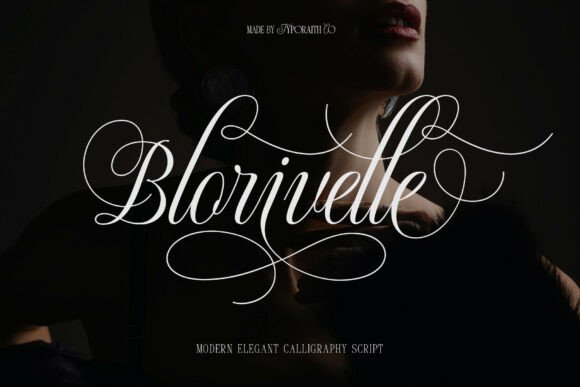
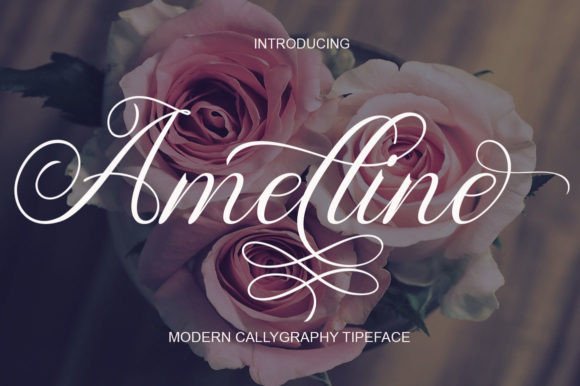
There's a particular feeling you get when you find a typeface that just clicks. It's not about following a trend or picking the most popular option. It's about finding a visual voice that sounds like your project. That’s the space Amelline occupies. It’s a modern calligraphy font that doesn't feel forced. Its strokes have the organic, slightly irregular quality of real handwriting, but they’re refined into a cohesive and elegant style. This isn't your grandmother's script font; it’s contemporary, fluid, and designed with intention.
The Personality Behind the Glyphs
Amelline strikes a balance between approachability and sophistication. Its letterforms are connected in a flowing rhythm, but they avoid the over-the-top flourishes that can sometimes make script fonts difficult to read or feel dated. The weight is consistent enough for clear legibility at reasonable sizes, while the subtle variations in stroke width give it a human touch. Think of it as a designer’s shorthand for adding warmth and personality without sacrificing clarity. The overall aesthetic is one of confident, relaxed creativity.
This premium font is more than just its basic alphabet. Being PUA encoded is a practical game-changer. It means you have direct access to a full suite of alternates, swashes, and ligatures right from your character map. This allows for genuine customization. You can adjust the beginning and ending letters of words, add elegant swashes to headlines, or create unique connections between characters. This level of control is what elevates a project from using a font to truly designing with a typeface.
Where Amelline Finds Its Voice
The versatility of a script font like Amelline is one of its strongest assets. It’s a creative font that works across a surprising range of applications, both digital and physical. Its natural style makes it particularly effective where a personal, crafted, or high-end feel is desired.
In brand identity and logo design, Amelline can be the cornerstone of a brand for a boutique, a café, a photographer, or a lifestyle blogger. It instantly communicates a sense of care and personal touch. For editorial design, it’s perfect for feature article headlines, pull quotes, or chapter titles in books, adding visual interest and breaking up blocks of a more neutral serif font or sans serif font. The publishing world benefits from its use in book covers and interior design, especially for genres like romance, memoir, or contemporary fiction.
For entrepreneurs and marketers, it’s a powerful tool for social media graphics. A compelling quote, a sale announcement, or a product feature presented in Amelline stops the scroll because it feels more human and less corporate than standard web fonts. Its application in packaging design is equally strong—think artisan food labels, cosmetic packaging, or handmade product tags. The font does some of the storytelling for you, suggesting quality and craftsmanship. And of course, it’s a natural fit for wedding invitations, event stationery, and any personal project where you want to add a bespoke, elegant touch.
Practical Guidance for Using a Font Like Amelline
Choosing a display font is a strategic decision. Here’s how to evaluate if Amelline is the right fit for your project and how to use it effectively.
- Evaluate the Project’s Tone: Does your project need to feel personal, elegant, artisanal, or modern? Amelline excels here. If your goal is ultra-modern minimalism or stark corporate professionalism, a clean sans serif font might be a better primary choice, with Amelline used sparingly for accent.
- Test for Readability: Always test the font at the size it will be used. Amelline is highly legible for headlines and short phrases. For body text or very small sizes, pair it with a highly readable serif or sans serif. A common and effective font pairing is a elegant script like Amelline for headings with a simple, clean sans serif for supporting text.
- Explore the Included Styles: Don’t just type out your words and be done. Open the glyph panel in your design software (like Adobe Illustrator, Photoshop, or even Canva Pro) and explore the alternates. Swapping in a different ‘a’ or adding a swash to a ‘y’ can make your typography feel custom-designed and unique.
- Consider Commercial Licensing: If you’re using the font for a client project, merchandise, or any commercial product, ensure you have the correct license. Amelline is a commercial font, and respecting the licensing terms is part of professional practice. The license typically covers a wide range of uses, from digital ads to printed materials.
- Maintain Visual Hierarchy: Use Amelline to create a clear focal point. It should command attention in a headline or a logo. Let it be the star, and support it with more neutral typography. This creates a clean, professional layout where the eye knows exactly where to go first.
In the end, the best design assets are those that serve the project’s story. Amelline offers a distinct voice—one that is natural, modern, and versatile. It’s a tool for designers, entrepreneurs, and creators who understand that typography is not just about legibility, but about emotion and connection. By testing its features, pairing it wisely, and applying it with intention, you can leverage this modern typography to add significant value and recognition to your work.