Belove Husband: The Bold Vintage Script for Modern Design
There’s a certain magic in typography that bridges eras. It’s the feeling of finding a letter in an attic, written with confident, flowing ink, yet its message feels timeless. That’s the essence captured by the Belove Husband font. It’s not just another script; it’s a typeface that carries the weight of vintage elegance while speaking a modern visual language. For designers and creators, this isn’t merely about letters—it’s about infusing projects with a distinct personality that feels both classic and strikingly current.
Anatomy of a Typeface: The Visual Character of Belove Husband
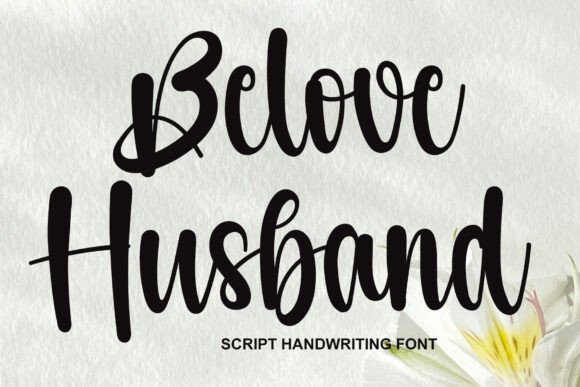
At first glance, Belove Husband commands attention. It’s a premium font that masterfully blends the fluidity of a script font with the structural confidence of a bold display font. The strokes are dynamic, moving from delicate hairlines to robust, thick terminals with a natural, handwritten rhythm. This isn’t a rigid, perfect calligraphy; it has the authentic flow of ink on paper, complete with graceful curves and subtle imperfections that give it soul.
The overall aesthetic leans into a realistic vintage vibe without feeling dated. Think of the signage from a 1950s tailor shop or the branding on a classic apothecary bottle—it has that same sense of established quality and artisanal care. The letterforms are designed with a keen eye for visual hierarchy. The capital letters, with their pronounced swashes and loops, naturally establish a strong starting point, while the lowercase letters maintain excellent connectivity, ensuring words form a cohesive, readable unit. This balance is crucial. It allows the font to be used for more than just a single logo; it can sustain entire phrases and short blocks of text where the message’s tone is as important as its clarity.
Strategic Applications: Where This Script Font Truly Shines
Understanding a font’s personality is one thing; knowing where to deploy it is another. Belove Husband excels in contexts where you want to make a sophisticated, powerful, and memorable impression. Its versatility is one of its greatest strengths.
In logo design and brand identity, it’s a powerhouse. For a boutique brand—a high-end chocolatier, a bespoke tailor, a specialty coffee roaster, or a wedding photographer—this typeface can become the cornerstone of their visual identity. It instantly communicates craftsmanship, tradition, and a personal touch. Pair it with a clean, geometric sans serif font for body text, and you create a beautiful contrast that feels both modern and rooted.
For editorial design and packaging design, its impact is immediate. Imagine it on the cover of a cookbook, the masthead of a lifestyle magazine, or the label of a craft gin bottle. It adds a layer of luxury and narrative that a standard serif font might not achieve. The font’s bold weight ensures it reproduces beautifully in both large-scale print and on digital platforms. It’s equally effective for social media graphics—think Instagram story headers, Pinterest pins, or promotional banners—where stopping the scroll is essential. The font’s inherent style does much of the heavy lifting for you, making designs look polished and intentional.
Practical Guidance for Implementation and Pairing
Choosing the right creative font is a strategic decision. Before committing to Belove Husband for a project, consider the following practical steps to ensure a perfect fit.
- Evaluate Project Fit: Does the project’s tone align with elegance, vintage charm, or artisanal quality? This font is a specialist. It’s not for a corporate annual report or a children’s menu. Its strength is in its specific, powerful voice.
- Test Font Pairings: Never use a display font in isolation. The key to professional typography is pairing. Belove Husband works beautifully with neutral, well-spaced sans serifs like Montserrat, Poppins, or a classic like Futura. It also pairs well with a traditional, high-contrast serif like Playfair Display for a fully vintage-inspired look. The goal is contrast in structure and weight, not competition in personality.
- Review Included Styles: A complete commercial font often includes more than the base letters. Check if Belove Husband comes with stylistic alternates, ligatures, or swashes. These are not just ornaments; they are essential tools. Alternates allow you to customize the look of specific letters to avoid repetition and enhance the handwritten feel. Ligatures connect problematic letter pairs (like 'Th' or 'st') more elegantly.
- Conduct Readability Checks: While Belove Husband is crafted for clarity, its script nature means it’s best used for headlines, logos, and short accents. Always test its readability at the intended size and in context. Print a sample or view it on a mobile device. For longer text, stick to your paired sans serif or serif.
- Understand the License: If you’re using it for client work or merchandise, ensure you have the correct commercial font license. Reputable foundries and marketplaces make this clear. This isn’t just a legal formality; it’s about respecting the craft of the type designer and protecting your work.
Think of Belove Husband as a key design asset in your toolkit. It’s not for every job, but when the brief calls for character, nostalgia, and a bold statement, it delivers with an elegance and uniqueness that feels effortless. It reminds us that in a world of fleeting digital trends, there’s enduring power in a design that feels genuinely crafted. By applying it thoughtfully, you’re not just setting type—you’re curating an experience for your audience, one that builds brand perception, fosters recognition, and creates a lasting impression.