The Native Record: A True Country Classic for Modern Designers
Finding a typeface that feels both timeless and fresh is a rare thing. You want something with character, with a story to tell, but you also need it to work hard across a variety of projects. That's the sweet spot where The Native Record lives. It’s not just a premium font; it’s a complete typographic system designed to bring the warmth of handcrafted lettering and the charm of old-time typography into your work, whether you're building a brand from scratch or refreshing a creative project.
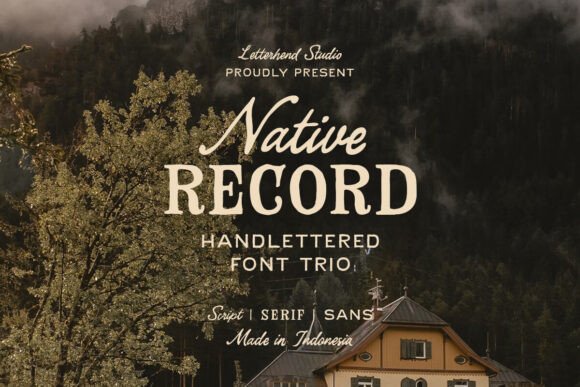
At its heart, The Native Record is a country classic. Its visual personality is rooted in authenticity. You can almost feel the texture of the ink, the slight imperfections that give it a human touch. This isn't the sterile, perfect lettering you get from a default system font. It’s a creative font with a soul, designed to evoke a sense of heritage, craftsmanship, and genuine warmth. The overall appeal lies in its versatility—it’s a display font that commands attention in headlines but possesses enough clarity to be used thoughtfully in shorter blocks of text.
Where This Country Classic Truly Shines
The real strength of The Native Record is how its three styles—sans, serif, and script—work together as a dynamic team. This font pairing is built in, saving you hours of searching for complementary typefaces. Let’s break down where each style finds its calling.
- The Serif Style: This is your workhorse for body text and traditional applications. It carries the core heritage of the design. Think editorial design for a rustic cookbook, the body copy on a craft brewery's website, or the descriptive text on packaging design for artisanal goods. Its gentle serifs guide the eye comfortably, making it a surprisingly readable serif font for longer passages when set at a reasonable size.
- The Sans Serif Style: This companion offers a cleaner, more modern take on the same character. It’s perfect for subheadings, captions, UI elements, and anywhere you need a touch of that country warmth without the ornamental detail. In web design, it pairs beautifully with the serif for a balanced, approachable layout. For logo design, a clean sans serif wordmark using The Native Record can feel both contemporary and grounded.
- The Script Style: This is your showstopper. A flowing, handwritten font style that adds a layer of personal, hand-lettered charm. Use it sparingly for maximum impact: a hero headline on a landing page, a stylish signature on a certificate, or elegant accents on wedding invitations and social media graphics. It instantly communicates a personal touch and artisanal quality.
For brand identity projects, especially those targeting audiences that value authenticity—like farm-to-table restaurants, outdoor adventure brands, boutique hotels, or handmade cosmetics—this typeface system is a powerhouse. It helps build a cohesive visual language that feels intentional and story-driven, which is key for strong brand perception and recognition.
Making The Native Record Work for You
Choosing the right typeface is a practical decision. Here’s how to evaluate if The Native Record is the right design asset for your next project.
Evaluating Your Project's Fit
Ask yourself: Does my project call for a human, approachable, or traditional feel? If you're designing for a tech startup aiming for a sleek, futuristic look, this might not be your primary choice. But if you're a blogger writing about sustainable living, a small business owner creating product tags, or a marketer developing an email campaign for a local farm, the authentic voice of this font will resonate deeply with your audience. It’s particularly effective for projects where storytelling and a sense of place are important.
Testing Font Pairings Beyond the Bundle
While the included sans, serif, and script styles are designed to work in harmony, you can also pair them with other fonts for more complex hierarchies. The serif style, for instance, pairs nicely with a clean, geometric sans serif for a modern contrast. The script can be used as an accent alongside a simple sans serif for a balanced social media graphic. Always test your pairings in context—mock up a full page or a mobile screen to see how the visual hierarchy holds up.
Readability and Hierarchy Considerations
Good design is functional. While the script style is beautiful, it’s not meant for body copy. Its charm can become a barrier to readability in long sentences. Reserve it for short, impactful phrases. The serif and sans styles are your go-to for clear communication. Use weight, size, and color to create a clear visual hierarchy—a heavier weight for headlines, regular for body text. This ensures your message is not only seen but also easily understood, which directly impacts audience engagement.
Understanding the Commercial License
Before you download any commercial font, it’s crucial to understand the licensing. The Native Record, as a premium font, comes with specific terms that typically cover a range of uses—from digital ads and websites to printed materials and merchandise. Always review the license agreement to ensure it fits your intended use, especially if you're creating work for clients or for sale. This is a fundamental part of professional practice and protects both you and the font designer.
Ultimately, The Native Record is more than just a collection of letters. It’s a tool for adding personality and warmth to your modern typography. By understanding its strengths and applying it thoughtfully, you can leverage this country classic to create designs that feel both timeless and genuinely connected to your audience.