Animation: A Fresh Take on Classic Calligraphy for Modern Designers
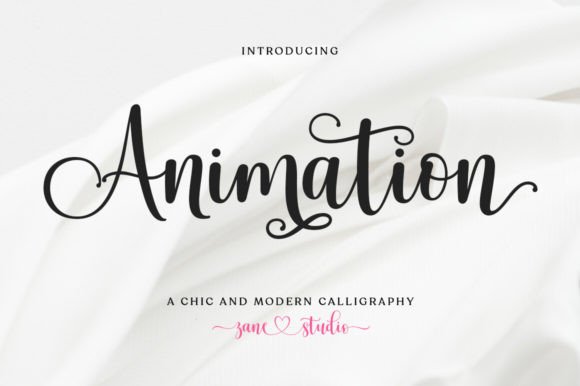
There’s a certain tension in design between the desire for something timeless and the need for something that feels current. We often reach for classic serif fonts for their heritage, or clean sans serif fonts for their modern clarity. But what happens when you need a typeface that carries the weight of tradition but moves with the energy of today? Enter Animation, a font that bridges that gap with a distinctive wavy calligraphic style. It’s not just another script font; it’s a crafted tool that brings a human, elegant touch to a wide range of projects, from a quick social media graphic to a full brand identity system.
The Anatomy of Animation: More Than Just Swirls
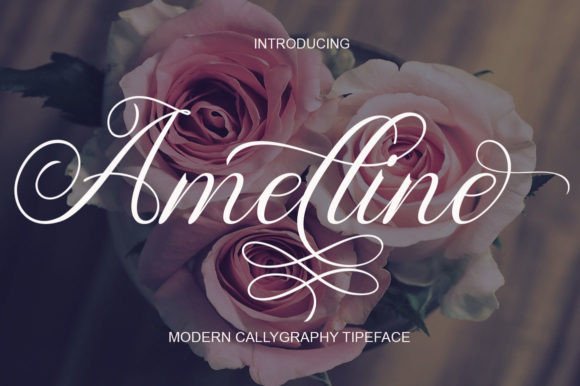
At first glance, Animation feels familiar—it’s clearly rooted in the art of hand-lettering. The strokes have that organic, slightly irregular quality that suggests a real pen moving across paper. But look closer, and you’ll notice its sleek, modern construction. The letterforms are clean, with a consistent baseline and thoughtful spacing that prevents the chaos sometimes associated with handwritten fonts. This is the key to its versatility. It possesses the warmth and personality of a classic script but is engineered for the demands of contemporary digital and print layout. The wavy flourishes are controlled, adding movement and sophistication without overwhelming a design. It’s this balance that makes Animation a truly usable creative font, rather than a decorative afterthought.
Think about the last time you needed to convey elegance, warmth, or a personal touch. Maybe it was for a wedding invitation, a boutique product label, or the signature on a digital letterhead. A standard serif font might feel too formal, while a casual sans serif could feel too impersonal. Animation steps into that space perfectly. Its personality is approachable yet refined, making it an excellent choice for projects where you want to establish a connection with the audience. For a small business owner, using Animation on packaging or business cards instantly communicates a level of care and craftsmanship. For a blogger or content creator, it can add a signature feel to quotes or title treatments that feels authentic and engaging.
Putting Animation to Work: Real-World Applications
Understanding a font’s visual character is one thing; knowing exactly where to deploy it is where the real value lies. Animation isn’t a one-trick pony. Its strength is in its adaptability across different media and project types. Let’s break down where this premium font truly shines.
Branding and Identity Projects
For logo design, Animation can serve as the primary logotype for brands in the lifestyle, beauty, artisan, or wedding industries. Its elegance communicates quality and a personal touch. It’s also superb as a secondary font for brand identities—used for taglines, subheadings, or accent text to complement a sturdy serif or sans serif font. The key is to use it where a touch of human flair is needed to define the brand’s voice. A consistent application of Animation across business cards, letterheads, and signage helps build a cohesive and recognizable brand identity that feels both professional and personal.
Editorial and Publishing
In editorial design, such as magazines, blogs, or book layouts, Animation works beautifully for pull quotes, chapter titles, or section headers. It breaks up the monotony of body text and draws the reader’s eye to key moments. For a publisher or author, it can lend a distinctive, authorial voice to the title page or dedication. When used for social media graphics, it helps quotes and promotional text stand out in a crowded feed, increasing visual hierarchy and audience engagement. The trick is to reserve it for high-impact moments where its character can be appreciated without compromising the readability of longer passages.
Marketing and Commercial Collateral
From posters and badges to email headers and web design banners, Animation adds a level of polish and creativity that standard fonts often lack. For marketers and entrepreneurs, it’s a valuable design asset for creating materials that feel premium and custom-made. Imagine a sale poster where the offer is set in a bold sans serif, but the “Limited Edition” callout is set in Animation—the contrast immediately creates visual interest and emphasizes the exclusivity. On packaging design, it can elevate a simple label into something that feels considered and special, justifying a premium perception.
Designing with Animation: Practical Considerations
Choosing a creative font like Animation is just the first step. Using it effectively requires a bit of strategy to ensure it enhances, rather than hinders, your project’s goals.
Evaluating Project Fit: Before you commit, ask yourself what emotion or message you need to convey. Animation is ideal for elegance, warmth, creativity, and personality. It might not be the best fit for a corporate financial report or a technical manual where absolute clarity and neutrality are paramount. Always consider your audience. The font’s classic hand-drawn appeal resonates strongly with adults aged 20-50 who appreciate design that feels authentic and thoughtfully crafted.
Mastering Font Pairings: The true power of a display font like Animation is unlocked through smart font pairing. Its ornate nature means it needs a strong, stable partner to create balance and ensure overall readability. A clean, geometric sans serif font (like Montserrat or Lato) provides a fantastic modern contrast. A classic, high-contrast serif font (like Playfair Display or Libre Baskerville) can create a more traditional, sophisticated pairing. The rule of thumb is to let Animation have its moment in the spotlight for headlines and key phrases, while its partner font handles the heavy lifting of body copy. This creates a clear visual hierarchy and keeps the design grounded.
Readability and Legibility: This is non-negotiable. While Animation is designed for clarity, it’s still a script font. Avoid using it for long paragraphs of body text at small sizes. Its ideal role is at larger display sizes where its wavy details and elegant curves can be fully appreciated. Always test it at the intended output size, whether on a screen or in print, to ensure every letter is distinct and easy to read. Check the font’s included styles and character sets—many premium fonts include alternates, ligatures, and stylistic sets that can help you customize the look and avoid repetitive letter shapes in a headline.
Licensing for Commercial Use: Finally, if you’re using Animation for client work, merchandise, or any commercial project, verify the licensing. Most premium fonts come with a clear commercial license that covers these uses. Respecting font licensing is a mark of professionalism and supports the type designers who create these invaluable tools. It’s a simple step that protects you and your clients.
In the end, Animation is more than just a typeface; it’s a solution for designers and creators who need to communicate with both style and substance. It offers a bridge between the timeless art of calligraphy and the clean requirements of modern design. By understanding its personality, knowing where it excels, and applying it with thoughtful consideration for pairing and readability, you can leverage Animation to elevate your projects and create a lasting, professional impression. It’s a versatile design asset that proves classic craftsmanship can have a sleek, modern edge.